plexiglass guide
Summary
Unlock the secrets of Plexiglass! Our comprehensive guide covers installation, security best practices, and troubleshooting. Stay protected with this essential resource.
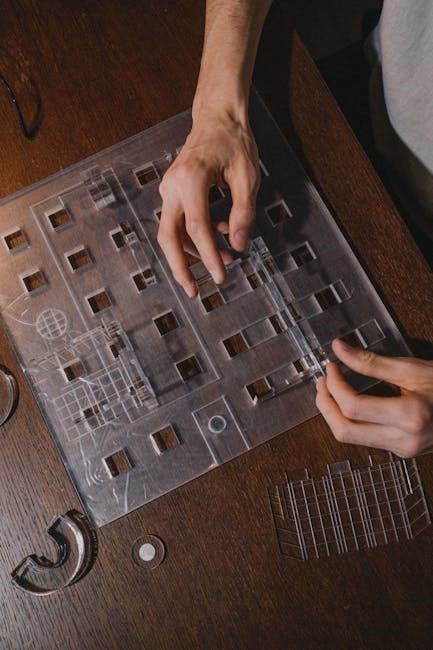
Plexiglass Guide: A Comprehensive Overview (Updated March 31, 2026)
Plexiglass offers a durable, transparent alternative to glass, finding diverse applications due to its unique properties and versatile fabrication options.
What is Plexiglass?
Plexiglass, also known as acrylic or PMMA (polymethyl methacrylate), is a synthetic polymer celebrated as a lightweight and shatter-resistant alternative to glass. Initially developed in the 1930s, it quickly gained prominence due to its exceptional clarity and versatility. Unlike glass, plexiglass boasts roughly half the weight, offering significant advantages in applications where weight reduction is crucial.
Its inherent transparency rivals that of glass, making it ideal for windows, displays, and protective barriers. However, plexiglass isn’t merely a glass substitute; its unique properties allow for diverse fabrication techniques, including easy cutting, drilling, and thermoforming. This adaptability fuels its widespread use across architectural, automotive, and industrial sectors.
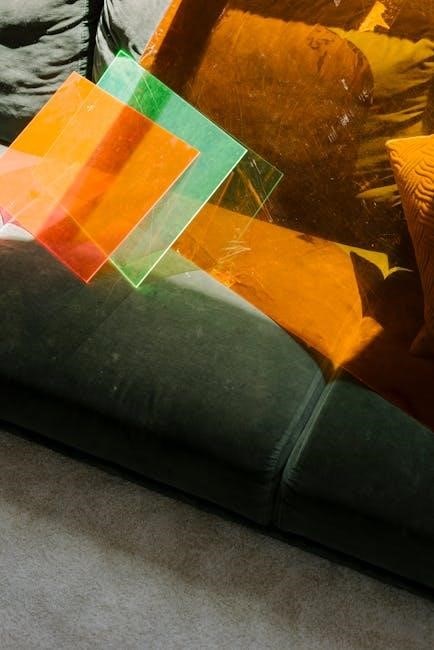
Plexiglass Properties: Transparency, Weight, and Impact Resistance
Plexiglass distinguishes itself through a compelling combination of key properties. Its exceptional transparency, exceeding 90%, delivers clarity comparable to glass, making it perfect for visibility-dependent applications. Significantly lighter – around half the weight of glass – it simplifies handling and installation, reducing structural load.
Furthermore, plexiglass exhibits remarkable impact resistance, being considerably more durable than standard glass. While not unbreakable, it’s far less prone to shattering, enhancing safety. These characteristics, coupled with its inherent UV stability (depending on the grade), contribute to its widespread adoption. These properties make it a versatile material for diverse fabrication needs.
Types of Plexiglass: Identifying Different Grades
Plexiglass isn’t a single material; various grades cater to specific needs. Plexiglas G is a general-purpose acrylic, suitable for many applications where extreme durability isn’t paramount. However, for outdoor exposure, UV-resistant formulations are crucial.
These include UF-3, UF-4, and UF-5, each offering increasing levels of ultraviolet (UV) light blockage, with UF-5 providing maximum absorbance. Standard grades filter short UV wavelengths, but UF formulations maintain similar physical properties while offering superior UV protection. Selecting the correct grade is vital for longevity and performance, especially in applications requiring sustained clarity and resistance to weathering during fabrication.
Plexiglas G: General Purpose Acrylic
Plexiglas G represents the foundational grade of acrylic sheet, widely utilized for its balance of cost-effectiveness and versatility. It’s an excellent choice for indoor applications where high UV resistance isn’t a primary concern. This grade exhibits good optical clarity and is easily fabricated using common techniques like cutting, drilling, and forming.
However, prolonged exposure to sunlight can cause yellowing and reduced strength. Therefore, it’s best suited for projects like displays, signage, and protective barriers within controlled environments. While not as robust as specialized grades, Plexiglas G provides a reliable and affordable solution for numerous general applications, offering a transparent alternative to glass.
UV-Resistant Plexiglass (UF-3, UF-4, UF-5)
For outdoor applications demanding long-term clarity and durability, UV-resistant Plexiglass grades – UF-3, UF-4, and UF-5 – are essential. These formulations incorporate additives that block ultraviolet (UV) light, preventing yellowing, hazing, and loss of impact strength. UF-5 offers the highest level of UV absorbance, making it ideal for prolonged sun exposure.
Importantly, these grades maintain the same physical properties as standard Plexiglas, ensuring ease of fabrication. They are frequently used in skylights, outdoor signage, and protective glazing where maintaining optical quality over time is critical. Choosing the appropriate UF grade depends on the intensity and duration of UV exposure expected.
Plexiglass Fabrication Techniques
Plexiglass is remarkably versatile in fabrication, though requires specific techniques to avoid issues like cracking. Common methods include sawing, laser cutting, and routing for shaping. When cutting Plexiglass, using fine-tooth blades and slow feed rates minimizes chipping. Drilling Plexiglass necessitates slow speeds, sharp bits, and backing material to prevent splintering.
Furthermore, bending Plexiglass can be achieved through heat forming – carefully applying controlled heat to make it pliable – or cold bending for thinner sheets. Proper masking during operations helps manage residue. Understanding these techniques ensures clean, professional results and maximizes the material’s potential.
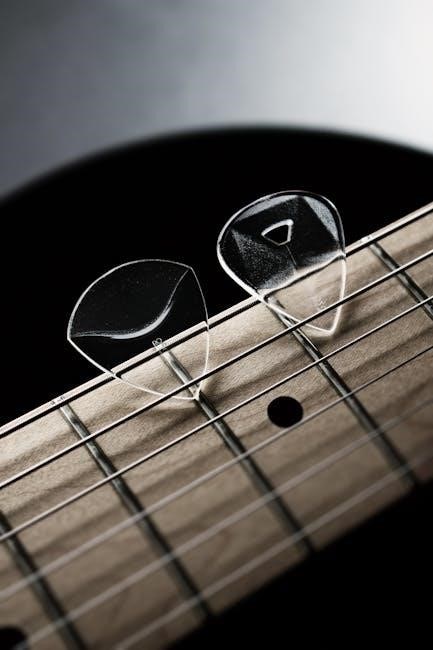
Cutting Plexiglass: Methods and Tools
Successfully cutting Plexiglass demands careful consideration of methods and tools to achieve clean, professional results. Traditional saws with fine-tooth blades are effective, but laser cutting offers superior precision and minimizes chipping. Scoring and snapping can work for thinner sheets, but requires a steady hand.
Regardless of the method, slow feed rates are crucial to prevent overheating and cracking. Carbide-tipped blades are recommended for durability. Always support the material adequately during cutting to avoid vibration. Proper technique ensures a smooth edge, ready for further fabrication or finishing, maximizing the material’s aesthetic and structural integrity.
Drilling Plexiglass: Avoiding Cracking and Splintering
Drilling Plexiglass requires a delicate approach to prevent cracking and splintering, common issues due to its brittle nature. Utilize sharp, high-speed steel or carbide-tipped drill bits specifically designed for acrylics. Begin with a pilot hole at a very slow speed, gradually increasing as you progress.
Applying gentle pressure and backing the material with a sacrificial piece of wood minimizes chipping. Avoid excessive heat buildup by frequently clearing chips and using a coolant. Proper technique ensures clean, precise holes, essential for successful fabrication and assembly. Patience and the right tools are key to achieving professional results.
Bending Plexiglass: Heat Forming and Cold Bending
Bending Plexiglass can be achieved through two primary methods: heat forming and cold bending. Heat forming, the more common technique, involves uniformly heating the acrylic sheet to its softening point – typically around 300-350°F – using specialized ovens or heat guns. Careful control prevents blistering or distortion during shaping.
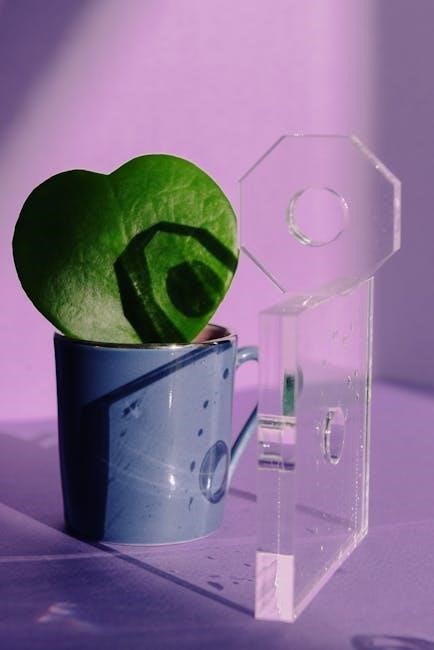
Cold bending is suitable for thinner sheets and gentler curves. It involves clamping the material securely and gradually applying pressure to achieve the desired bend. Both methods require careful consideration of material thickness and bend radius; Successful fabrication relies on even heat distribution and controlled force application.
Plexiglass vs. Glass: A Comparative Analysis
When comparing Plexiglass to glass, several key differences emerge. Glass boasts superior scratch resistance, but Plexiglass offers significantly higher impact resistance – it’s roughly 10-20 times more resistant to breakage. Weight is another factor; Plexiglass is considerably lighter, simplifying installation and reducing structural load.
Transparency is comparable, though glass generally exhibits slightly better optical clarity. However, Plexiglass can be formulated with UV-blocking properties, a feature not inherent in standard glass. Cost-wise, Plexiglass is often more affordable. Ultimately, the best choice depends on the specific application’s requirements, balancing durability, safety, and budget.
Plexiglass Applications: Diverse Uses Across Industries
Plexiglass’s versatility fuels its widespread adoption across numerous sectors. In architecture, it serves as a safe and lightweight alternative to glass in windows, skylights, and protective barriers, offering enhanced security. The signage and display industries benefit from its clarity and durability, creating eye-catching and long-lasting visuals.
Beyond these, Plexiglass finds application in transportation (aircraft windows), medical devices, and retail displays. Its ability to be easily fabricated – cut, drilled, and bent – allows for customized solutions. Even in specialized areas like aquariums and musical instrument construction, Plexiglass’s unique properties make it invaluable.
Architectural Applications: Windows, Skylights, and Barriers
Plexiglass is increasingly favored in architectural designs as a safer, lighter, and more impact-resistant alternative to traditional glass. Its use in windows and skylights provides excellent light transmission while offering enhanced protection against breakage, reducing the risk of injury. This makes it particularly suitable for high-traffic areas or locations prone to severe weather.
Furthermore, Plexiglass serves effectively as protective barriers in public spaces, offering a transparent shield without compromising visibility. Its ease of fabrication allows for custom shapes and sizes, seamlessly integrating into diverse architectural styles. The material’s durability ensures long-lasting performance and minimal maintenance.
Signage and Displays: Clarity and Durability
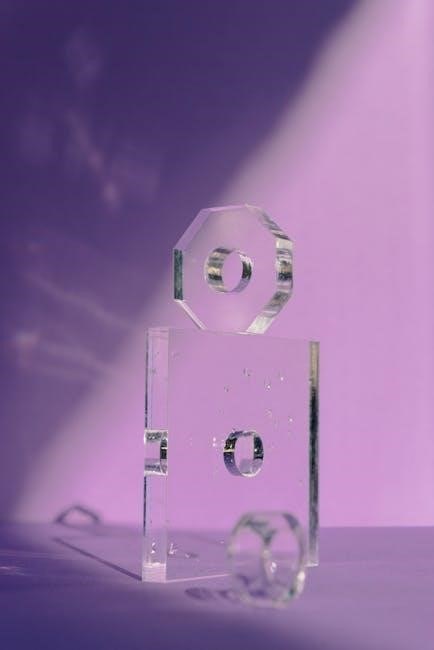
Plexiglass excels in signage and display applications due to its exceptional clarity, allowing vibrant colors and sharp details to shine through. Unlike glass, it’s significantly more resistant to shattering, making it ideal for environments where breakage poses a safety concern or could lead to costly replacements. This inherent durability extends the lifespan of displays, reducing long-term expenses.
Its lightweight nature simplifies installation and transportation, while its smooth surface readily accepts printing and graphics. Whether for indoor point-of-purchase displays or outdoor signage, plexiglass maintains its visual appeal and structural integrity, offering a professional and long-lasting solution.
Plexiglass and Scratch Resistance
While plexiglass is lauded for its impact resistance, its susceptibility to scratches is a common concern. Many modern plexiglass sheets, particularly those used in higher-end applications like watch crystals (as seen with Junghans Max Bill models), incorporate scratch-resistant coatings. However, these coatings aren’t impervious; careful handling is still crucial to prevent damage.
Attempting to buff out scratches on coated plexiglass is generally discouraged, as it can ruin the finish and necessitate a complete crystal replacement. Prudent use – avoiding abrasive activities like yard work or automotive repairs – significantly extends the life and appearance of plexiglass items.
Understanding Plexiglass Scratch Resistance Coatings
Modern plexiglass often features specialized coatings designed to enhance surface hardness and resist scratching. These aren’t inherent properties of the acrylic itself, but rather applied layers that provide a sacrificial barrier against abrasion. The effectiveness of these coatings varies; some offer moderate protection, while others, like those found on certain watch crystals, provide a more substantial defense.
It’s important to recognize that even the best coatings aren’t indestructible. They will wear over time with use and exposure to abrasive materials. Once the coating is compromised, the underlying plexiglass is then vulnerable to scratching, highlighting the importance of preventative care.
Repairing Scratches on Plexiglass: Limitations and Risks
While minor scratches on plexiglass can sometimes be buffed out, attempting this on coated surfaces is strongly discouraged. Buffing will almost certainly remove the scratch-resistant coating, irrevocably damaging the finish and leaving the acrylic vulnerable. Photos demonstrate that restoring the original clarity after coating removal is nearly impossible.
Unlike glass, which can be re-polished, removing material from plexiglass alters its optical properties. Aggressive polishing can introduce distortion and haze. Therefore, attempting scratch repair often necessitates complete crystal replacement, especially for coated pieces, making prevention the most effective strategy.
Plexiglass and Food Contact: FDA Compliance
The suitability of plexiglass for food-contact applications isn’t universal; it depends on the specific acrylic grade. Certain formulations do carry FDA listings, but these come with specific restrictions regarding usage and food types. It’s crucial to verify compliance for each application.
Polymershapes emphasizes the importance of confirming FDA compliance for the exact sheet being utilized. Simply assuming a grade is approved isn’t sufficient. During fabrication, careful handling is needed to manage residue. Maintaining masking during most operations, and removing it promptly after installation, helps prevent contamination.
Plexiglass Maintenance and Cleaning
Maintaining the clarity of plexiglass requires careful attention to cleaning practices. Selecting the right products is paramount; avoid abrasive cleaners that can cause scratching. Gentle soap and water are often sufficient for routine cleaning, followed by a soft cloth to prevent streaks.
Preventative measures significantly extend plexiglass’s lifespan and appearance. Avoid harsh chemicals and abrasive materials. Regularly dusting the surface removes particles that could cause micro-scratches over time. Proper care ensures long-lasting transparency and preserves the material’s aesthetic qualities, minimizing the need for extensive restoration.
Recommended Cleaning Products for Plexiglass
For optimal plexiglass cleaning, mild dish soap diluted in lukewarm water is an excellent starting point. Specialized plexiglass cleaners are also available, formulated to avoid damaging the surface. Microfiber cloths are essential; their soft texture minimizes the risk of scratches during wiping.
Avoid products containing ammonia, alcohol, or harsh solvents, as these can cloud or damage the plexiglass. Never use abrasive cleaners or scouring pads. Polishing compounds designed specifically for plastics can restore shine, but use sparingly. Always test any cleaner in an inconspicuous area first to ensure compatibility and prevent unwanted reactions.
Preventative Measures to Maintain Plexiglass Appearance
Protecting plexiglass from scratches is paramount. Avoid abrasive materials and direct contact with rough surfaces. Consider applying a protective film, especially in high-traffic areas or during fabrication processes. Regular dusting with a soft cloth prevents buildup that can lead to scratching during cleaning.
Be mindful of potential impact damage; while durable, plexiglass isn’t indestructible. For items like watches, avoid activities that pose a risk, like yard work or sports. Proper handling during installation and maintenance minimizes the chance of damage. Consistent, gentle cleaning is key to preserving clarity and preventing long-term deterioration.
Plexiglass Safety Considerations
When working with plexiglass, prioritize safety. Always wear appropriate personal protective equipment, including safety glasses, to shield against flying debris during cutting or drilling. Fabrication generates dust; a respirator is recommended to avoid inhalation. Handle sheets carefully to prevent breakage and potential cuts.
Proper disposal of scraps is crucial. Plexiglass isn’t biodegradable, so avoid landfilling whenever possible. Explore recycling options or consult local regulations for appropriate disposal methods. Be aware of potential static electricity buildup during handling, especially in dry environments. Grounding yourself can minimize this risk.
Handling Plexiglass Sheets and Dust
Carefully lift and maneuver plexiglass sheets to avoid breakage; assistance is recommended for larger sizes. Support the entire sheet during transport and storage to prevent warping or stress cracks. When cutting or fabricating, plexiglass generates fine dust. This dust can be an irritant, so always work in a well-ventilated area.
Utilize dust collection systems or wear a respirator to minimize inhalation. Static electricity can attract dust, making cleanup challenging. Anti-static sprays can help mitigate this. Always wear safety glasses to protect your eyes from flying particles during any cutting or drilling process. Proper handling minimizes risks.
Proper Disposal of Plexiglass Scraps
Plexiglass scraps, while not typically hazardous, should be disposed of responsibly. Check with your local waste management authorities for specific regulations regarding acrylic disposal in your area. Many recycling facilities do not accept plexiglass in standard recycling streams, so it’s crucial to confirm.
Small quantities can often be disposed of with general industrial waste, but larger volumes may require specialized handling. Some acrylic suppliers or fabrication shops may offer take-back programs for scrap material. Avoid simply discarding large pieces in landfills, as they are not readily biodegradable; Responsible disposal minimizes environmental impact.